At LSH Architects, the architectural design process begins with close attention to how you live and how your home is expected to perform. Your goals, priorities, and site conditions inform each decision, shaping architecture that is both expressive and practical.
From early concepts through detailed construction documents, the work is guided by careful analysis, iterative design, and technical rigor. The result is architecture that is purposeful, personal, and responsive—crafted to support daily life while addressing the complexities of site, structure, and regulation.
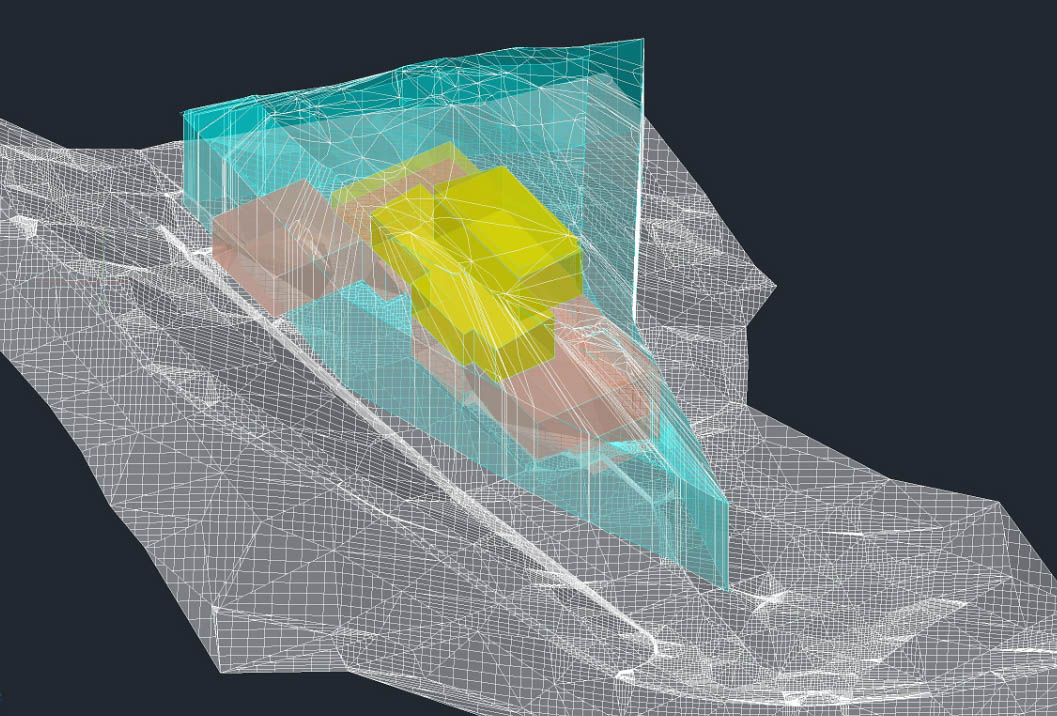
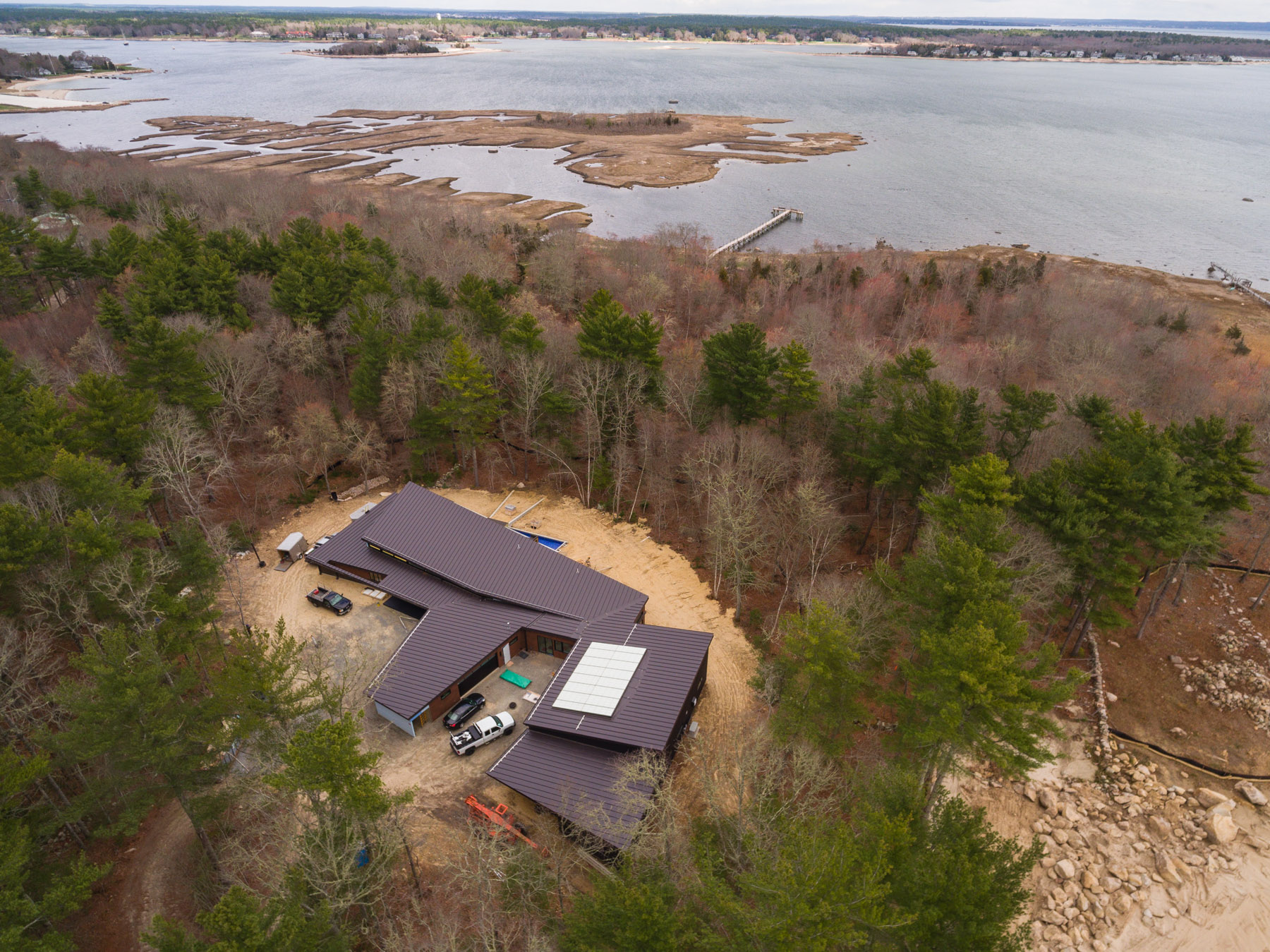
Each project begins with open dialogue and a careful study of existing conditions. Early site analysis and review of regulatory constraints establish a clear foundation for the architectural design process.
Through conversation, site analysis, and an understanding of priorities, opportunities emerge. This early phase builds shared clarity around goals, budget, and context—allowing the work to move forward with focus and intention.
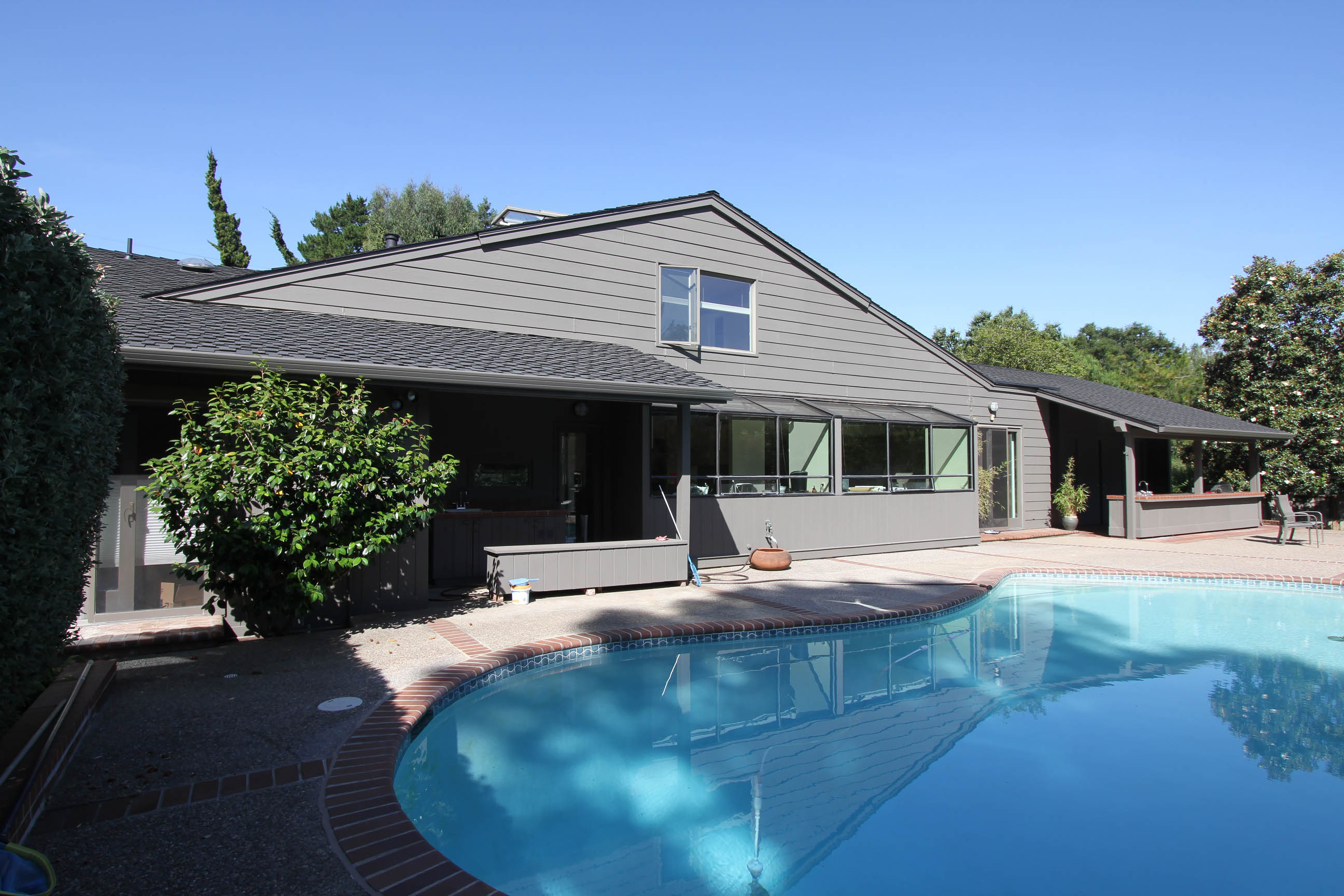
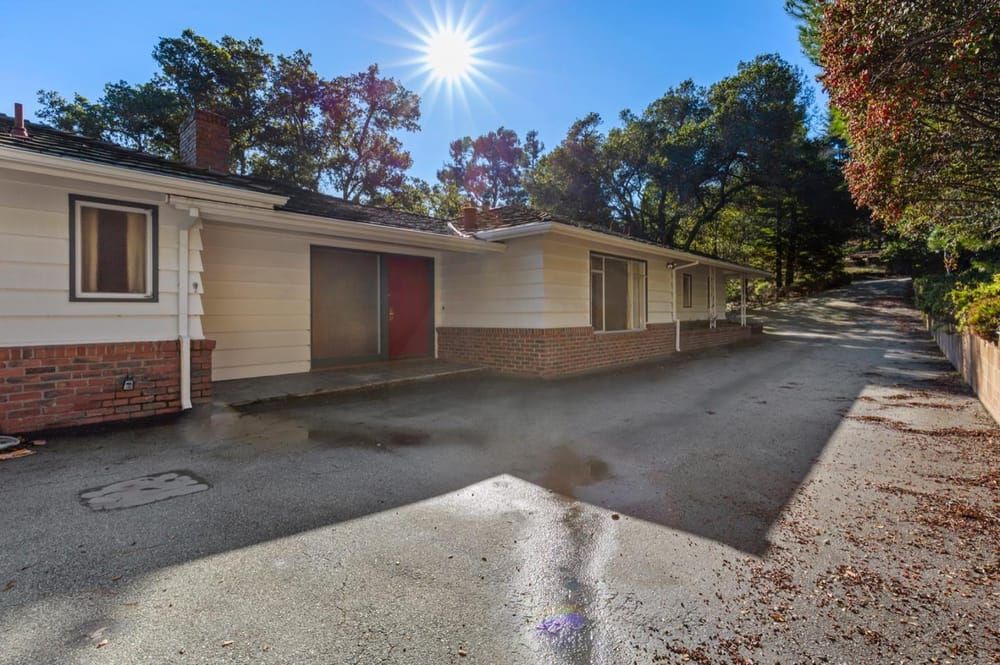
Existing Conditions
Limited connection between kitchen, dining, and outdoor space
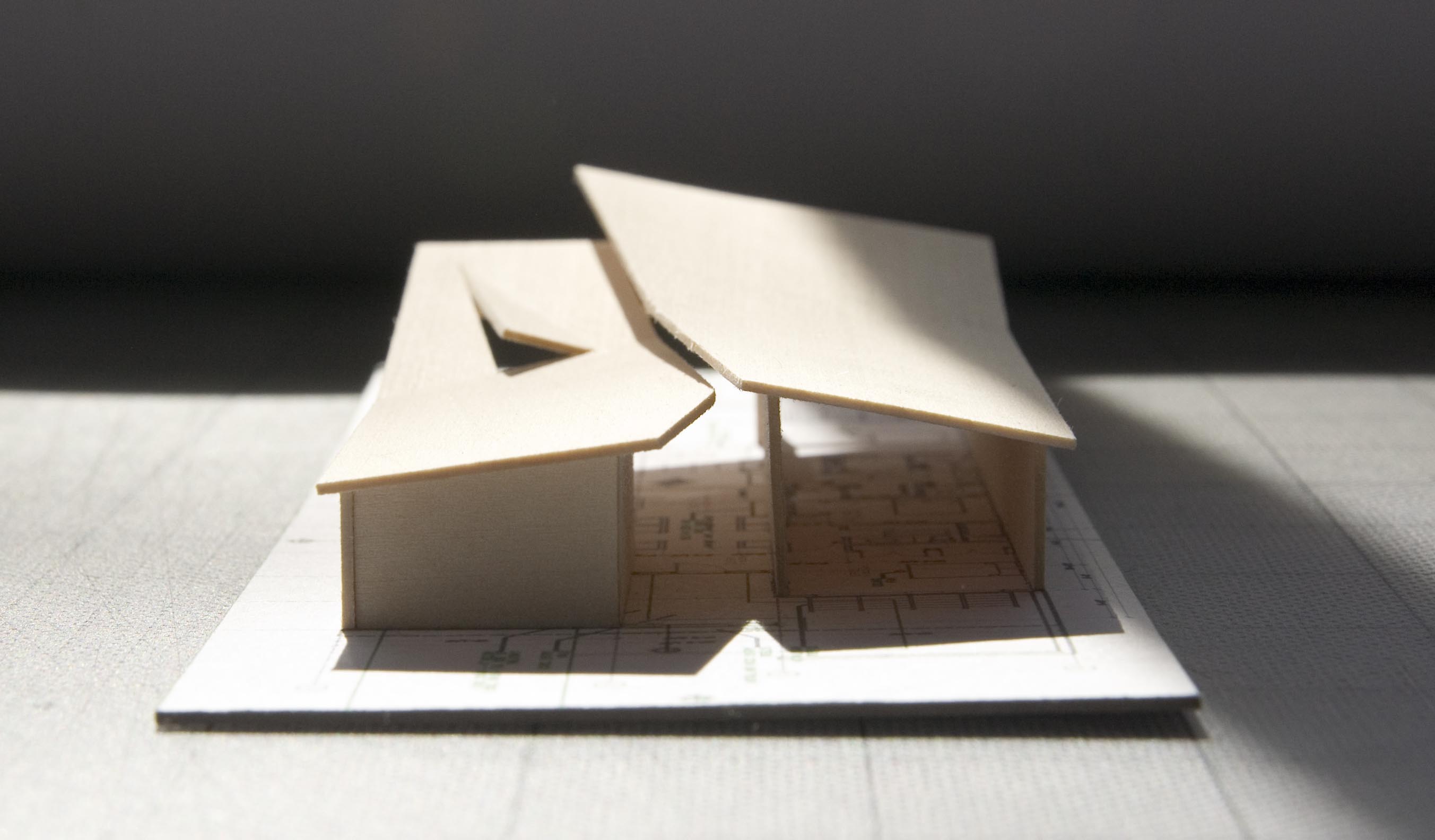
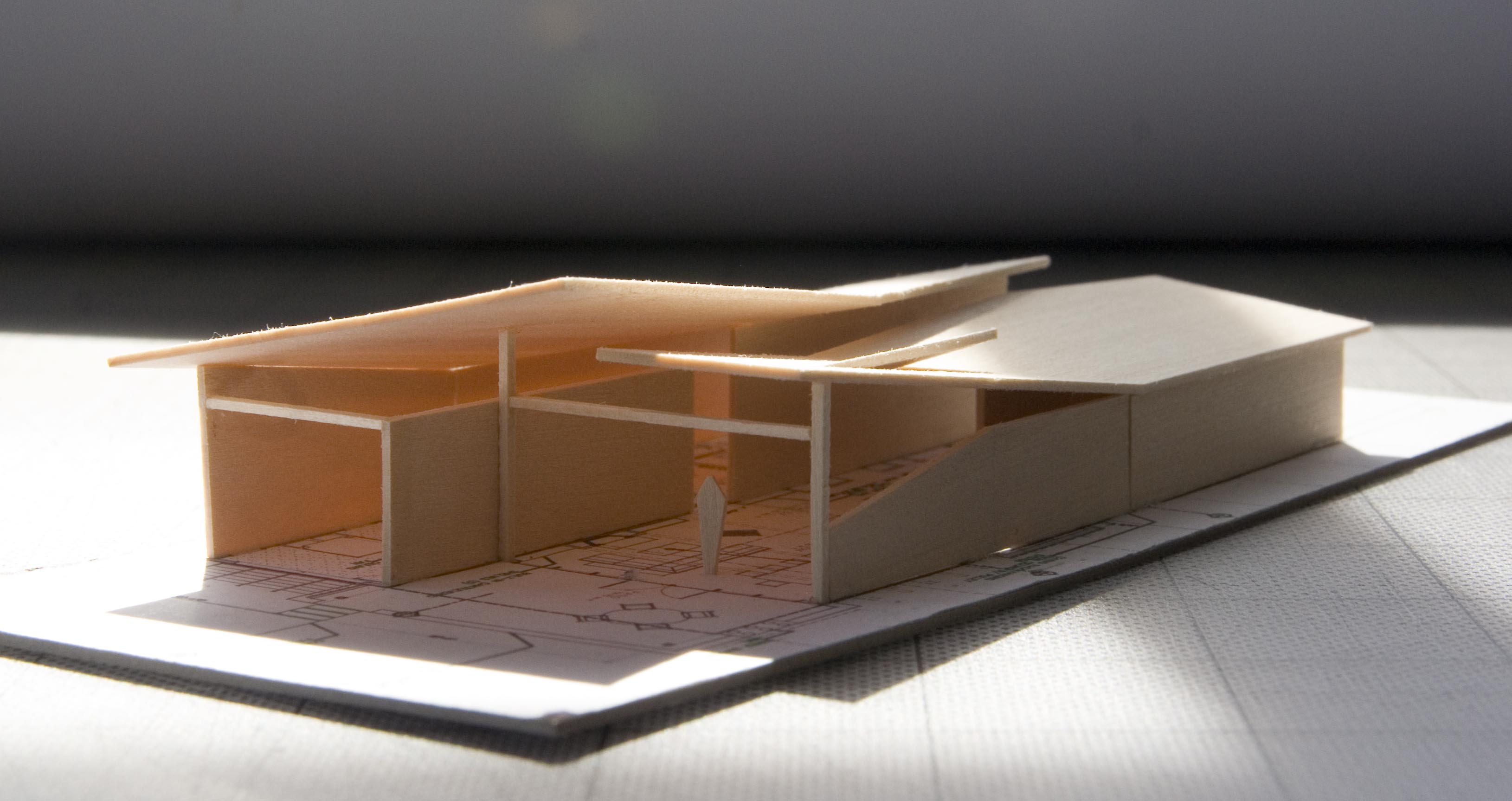
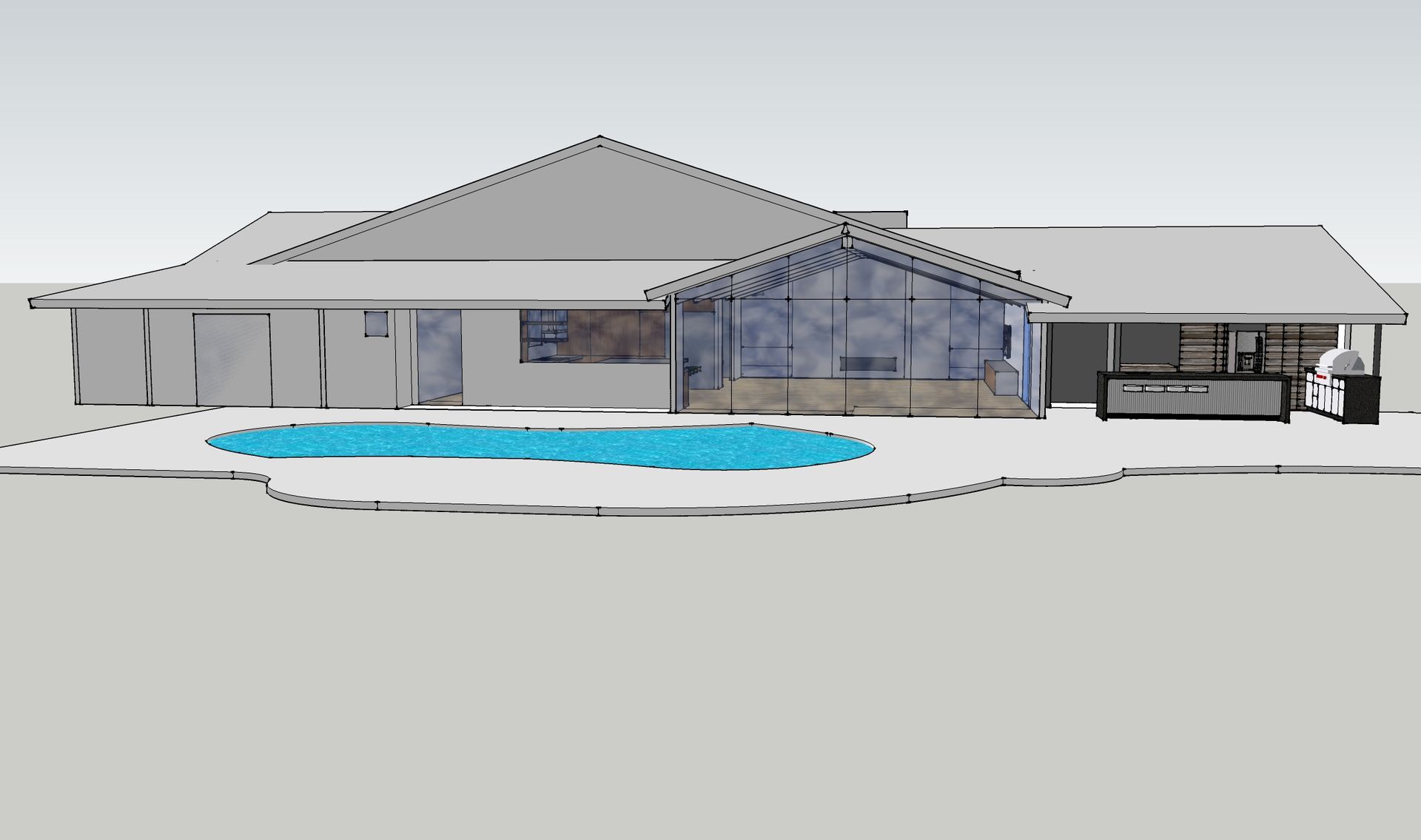
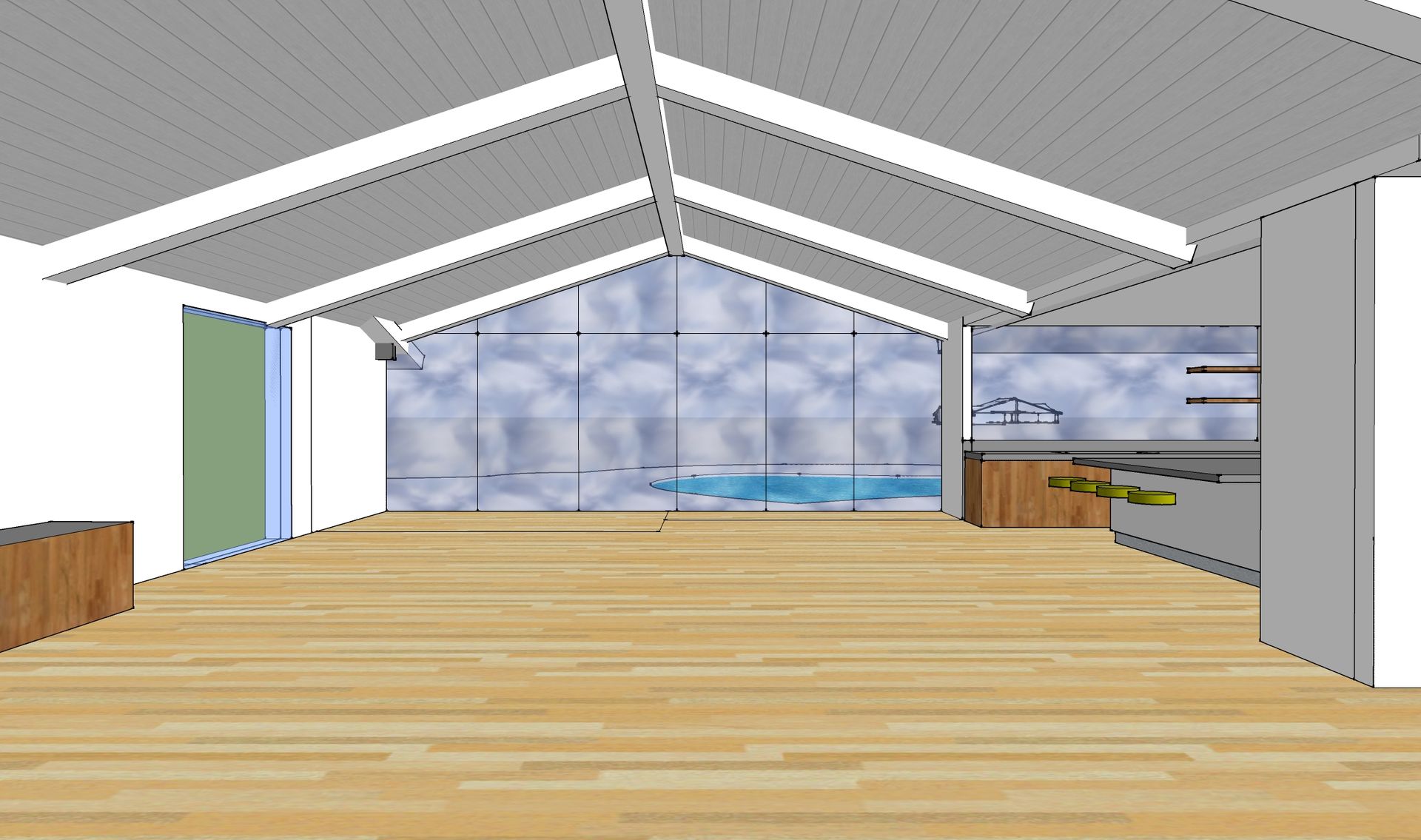
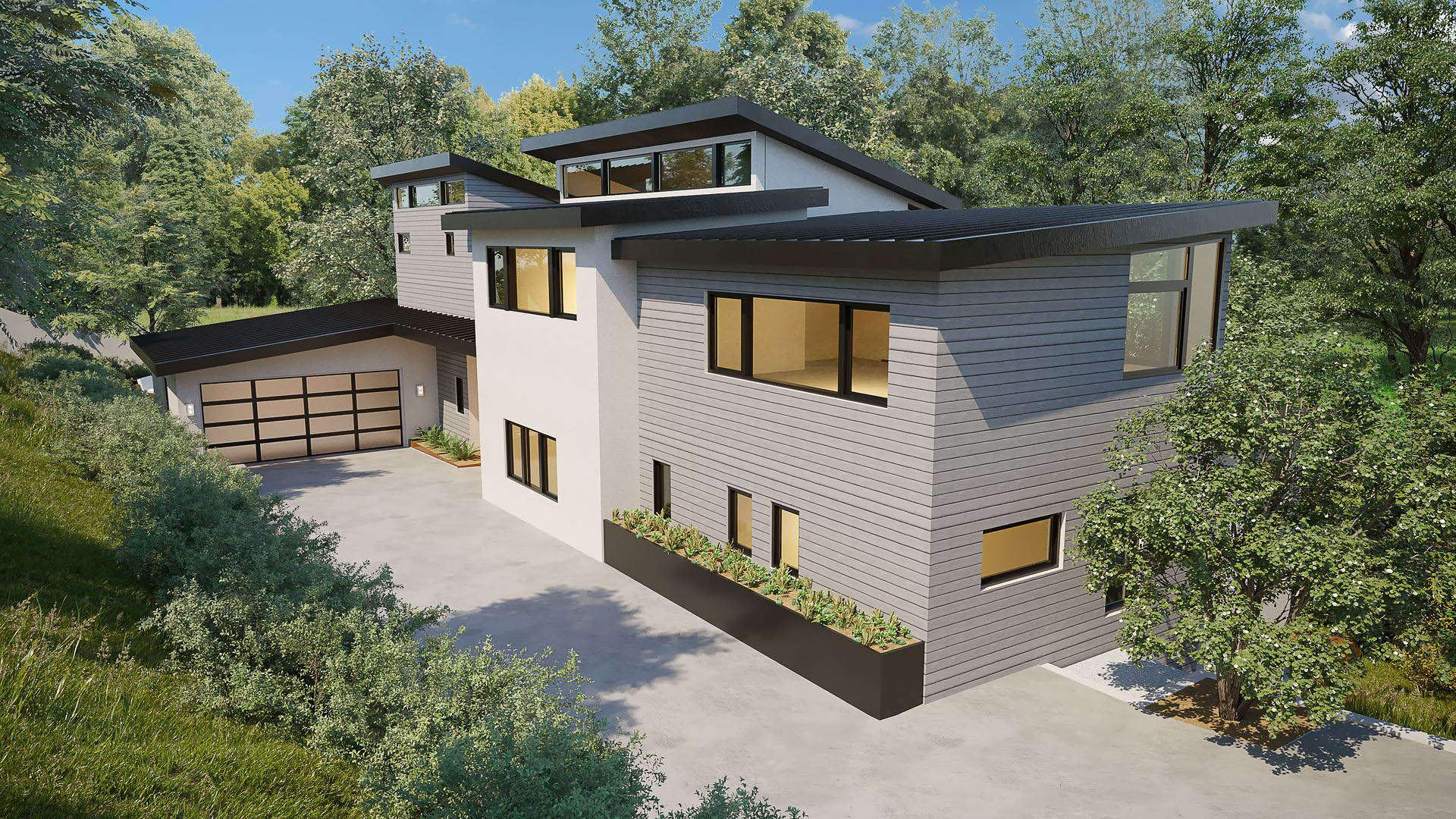
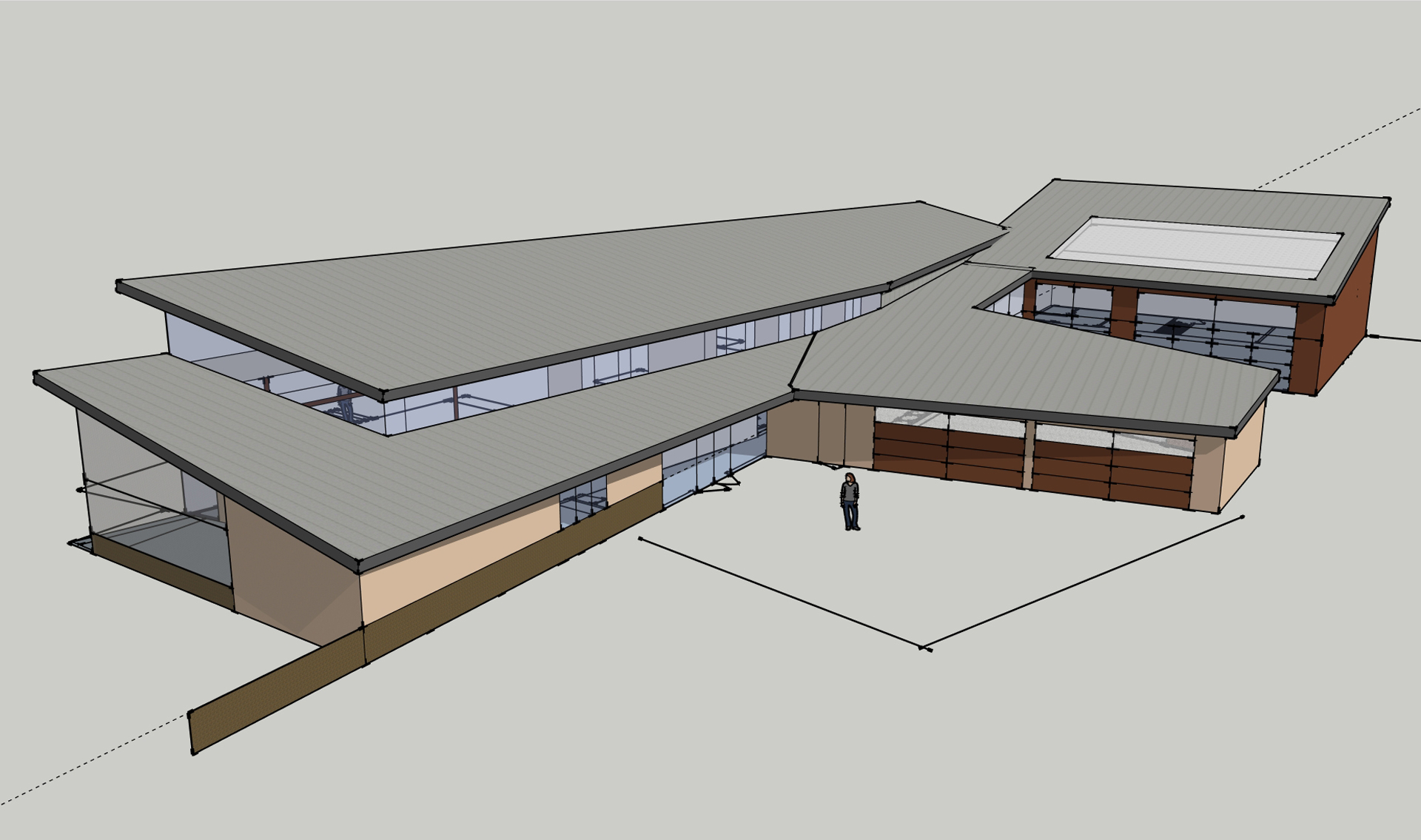
During design development, architectural concepts are explored through sketches, physical models, and three-dimensional studies that examine proportion, light, and spatial relationships. These tools allow ideas to be tested, refined, and discussed as they evolve.
The process is intentionally iterative, encouraging exploration while steadily moving toward clarity. As concepts are evaluated against site conditions, constraints, and client priorities, form and organization begin to take architectural shape.
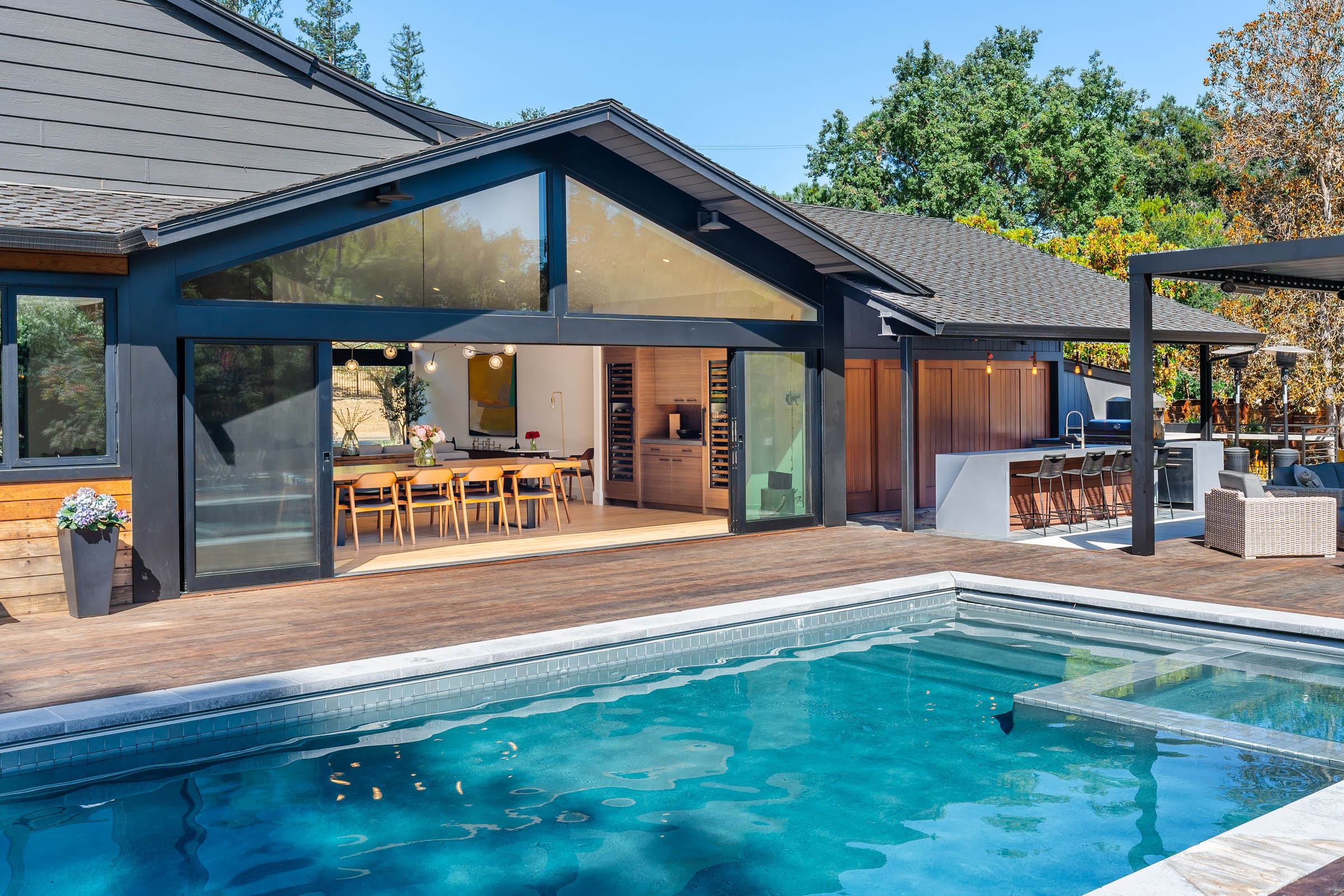
Architecture resonates when the whole and its parts are thoughtfully aligned. Architectural detailing and material selection are considered in relation to the larger composition so the work reads as cohesive and intentional.
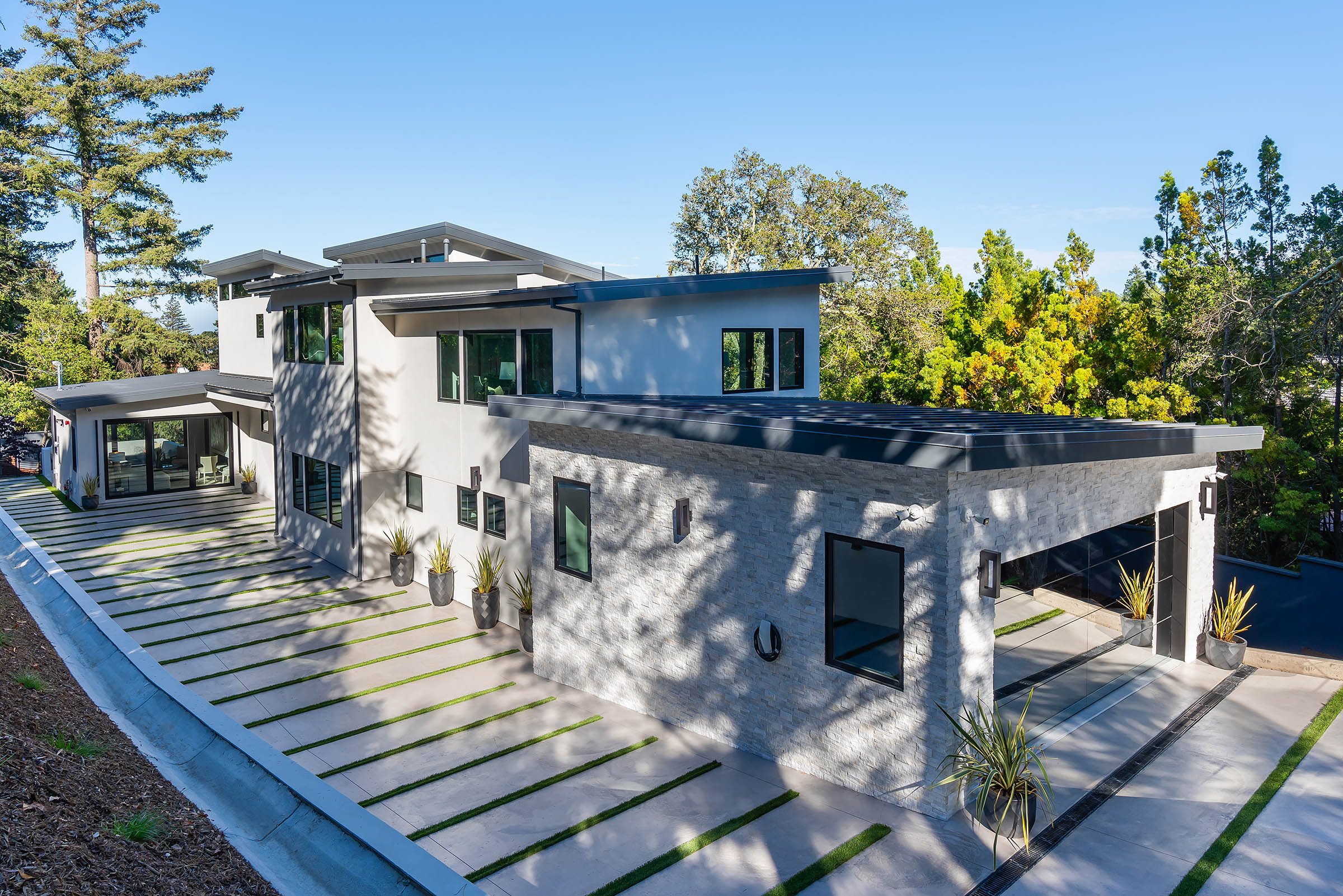
The same rigor is applied to assemblies, interfaces, and construction coordination. Through technical precision and careful collaboration, the built home reflects the original design intent—resulting in a durable, well-crafted environment.
The work continues through construction to ensure design integrity is carried through to completion. Construction-phase involvement allows the architectural design to be realized with care and accuracy.
Close coordination with builders, consultants, and permitting agencies supports continuity from drawings to built work. Each home reflects a shared vision—translated into a finished environment through sustained collaboration and architectural oversight.